





What You Get When You Open Viperspin In Australia
You land on the homepage, you tap a bright button, and the interface pushes you straight toward an account. If you are in Australia, that first minute matters: you want to know what you are agreeing to, how the wallet works, and where the safety tools live. So treat the first visit like a quick setup job, not a vibe check.
A simple habit helps. Open the menu, look for terms, limits, and support before you deposit anything. If you cannot find those items in two minutes, pause and come back later on a bigger screen.
Here is a tiny reality check that saves you: play only if you are of legal age, and keep your own rules tighter than the platform’s. That means a budget, a time cap, and a hard stop when either one is hit.
Account Setup In Under Five Minutes
Say you are on a lunch break and you just want to create a profile and move on. Start with the basics: email you actually use, a strong password, and the smallest personal details you can give while still completing the form. Skip anything that looks optional unless you know why it exists (marketing tick boxes love attention).
Then do one boring thing that saves headaches. Confirm the email right away, even if you plan to play later. People delay it, forget, and then wonder why a reset link never arrives at midnight.
If the form asks for address or date details, match the information to your real documents. It sounds obvious, but even a small mismatch can turn a future cashout into a slow back-and-forth.
Logging In On Public Wi-Fi
Picture this: you are in a cafe, free Wi-Fi, and you want to check your balance fast. Do not. Switch to mobile data or a trusted network first. A session on public Wi-Fi can be fine, but it can also be messy, and you will not feel clever if you get logged out mid-transaction.
Once you are in, set a lock on your device and avoid saving passwords in a shared browser. And if you used a public computer even once, change the password when you get home. Two minutes. Done.
Viperspin Promo Code Reddit - Realistic Expectations
You scroll a forum thread, someone drops a “working code,” and your brain goes straight to free money. Slow down. These posts are often old, region-specific, or tied to conditions that change without warning. The better approach is to treat any deal you see on social platforms as a lead, then verify it inside the cashier or promo section before you rely on it.
Here is the practical move: screenshot the offer text, note the date, and check the requirements in the bonus terms. If the rules feel like a maze, that is your sign to step back and play without the promo.
Bonus Terms To Read Like A Checklist
Say you activate a welcome deal and then try to withdraw after a quick win. The system may block the payout until you finish wagering or cancel the bonus. So read for three items: wagering requirements, max cashout limits, and game contribution rules. Those three decide whether a promo is useful or just noisy.
And watch the timing. Some bonuses expire fast. If you only play on weekends, a short validity window can turn a “deal” into a frustration machine.

Games And Pokies: Picking What Fits Your Session

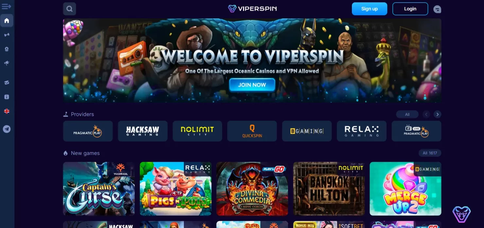
Open the lobby and you will see the usual split: pokies, table games, and live-style options. Your goal is not to click everything. Your goal is to pick one lane for the session, set a budget, and stop when the budget is done. That is the difference between “I played for fun” and “I chased losses for an hour.”
Say you have 20 minutes and you want quick spins. Choose a slot with clear rules, check the paytable once, and keep stakes steady. If you want slower play, pick a table game where decisions matter and the pace forces you to breathe.
A small detail people ignore: volatility. High volatility can feel dead for long stretches, then spike. Low volatility can drip small wins and keep you in the chair. Neither is “better,” but your mood will decide which one feels fair.
If you are testing a new game, do a low-stake “mapping” run first. Ten spins, tiny bet, just to see how the bonus feature triggers and whether the animations hide important info. If the screen feels chaotic, that matters, because chaos makes people overspend.
And do not skip the search bar. Most players scroll for five minutes and get annoyed. Search by theme, by feature, or by provider category if it exists, then favorite a short list. Next time you open the lobby, you will not wander.
Deposits, Cashouts, And Support Timing
This is where most arguments start. Deposits feel instant, cashouts can feel slow, and everyone acts surprised. The truth is simpler: different payment methods have different checks, and verification can add steps. If you plan for that upfront, you avoid most of the stress.
Try this: before your first deposit, open the cashier and look for minimums, maximums, and processing notes. Then pick one method and stick with it for a while. Switching methods every week is a classic way to trigger extra checks.
A smart micro-scenario: you win something decent on day one. Instead of trying to withdraw the full amount at 2 a.m., do a small test cashout first. It teaches you the flow, it confirms your details, and it reduces panic later.
Common Payment Routes For Australia
Suppose you want to top up quickly after work. Cards and e-wallet style options are common starting points, while bank transfers can be better for larger amounts but less “instant.” The exact options can change, so treat the cashier list as the only reality that matters on the day you play.
Below is a simple way to think about methods without getting lost in brand names:
Payment Method Type | Best For | Typical Speed Feel | What To Double-Check |
|---|---|---|---|
Bank Card | Fast deposits, simple setup | Deposit feels instant | Daily limits, verification triggers |
Bank Transfer | Larger amounts, planned play | Slower start, steady | Reference details, cutoff times |
E-Wallet Style | Privacy and quick repeat use | Quick both ways when verified | Account name match, fees |
Prepaid Voucher | Budget control | Deposit only | Cashout rules, expiry |
Crypto Option | Tech-savvy users | Varies by network | Wallet address, confirmations |
Why Verification Can Pause A Payout
You hit withdraw, you expect a ping, and instead you see “pending.” Annoying, yes. But verification is a normal friction point across many platforms, especially when names do not match perfectly or you change devices. If the platform asks for identity documents, submit clear photos once and keep them consistent. Blurry images are a delay factory.
Here is a real-life scenario: you deposit on your phone, then you request a cashout on a laptop at a friend’s place. That device change can flag the session. Use one main device for money moves when possible.
Also watch your bank statement names. If your payment source is under one name and your profile uses another variation, fix it early. Support can help, but only if you catch it before the withdrawal request.
How To Talk To Support Without Stress
You open chat, type “where is my money,” and the conversation goes nowhere. Do it like a calm adult. Give the transaction type, the method, the date, and the last status you saw. One message. No drama.
If you are stuck in email loops, ask for a case number and keep replies in the same thread. And set a personal deadline: if support cannot explain the next step clearly, stop depositing until they do. Simple boundary. Strong result.
Mobile Play, Responsible Tools, And Privacy
Most people in Australia play on a phone at least sometimes. That means two things: your session is more impulsive, and your privacy is more exposed. So your setup has to be cleaner. Use a lock screen, keep the app list tidy, and do not leave the account logged in when you hand your phone to someone for a “quick call.”
The safety tools matter more than the graphics. Look for deposit limits, loss limits, and session reminders. If you cannot find them, search the settings area and the help section. The first time you set limits feels annoying. The second time you are grateful you did.
A quick scenario: you are on a train, the signal drops, and the game freezes. Do not mash buttons. Close the game, check the balance history, and only then continue. Random taps during lag are how people misread what happened and start chasing.
Phone Browser Vs App-Like Shortcut
Say you want an app but you do not see one. Many platforms rely on a mobile browser with a shortcut saved to the home screen. It feels like an app, but it is still a browser session. That can be fine, but it also means updates and cache can affect performance.
A quick fix when things feel “stuck”: clear cache, restart the browser, then log back in. If you do that once a month, you avoid a lot of random glitches.
Timeouts, Limits, And Self-Exclusion
You have a bad run, you feel heat in your chest, and you want to win it back. That is the moment to use a timeout. Set it before you need it. Even a short break can cut the urge loop.
And be honest with limits. If you set a deposit cap that you can bypass in two clicks, it is not a limit, it is decoration. Choose numbers that would actually annoy you, because that annoyance is the point.
Red Flags, Green Flags, And Simple Self-Checks
Not every platform fits every player. A few quick checks tell you whether you should continue or close the tab. If withdrawal rules are hard to find, if support answers are vague, or if promos look too loud to be true, step back.
Now flip it. Clear terms, easy-to-find limits, transparent transaction statuses, and support that explains steps in plain language - those are green flags. Also watch how the site behaves when you lose. If it pushes you into bigger stakes with pop-ups, that pressure is a red flag for many people.
Try this micro-test: open help, search for “withdrawal,” then search for “limit.” If both pages exist and the language is direct, you are dealing with a platform that at least respects clarity.
One more scenario that tells you a lot: you try to close your session after a loss and a modal appears begging you to “claim a deal.” If it feels manipulative, treat that feeling as data. Log out, take a break, and come back only if you still want to play on your own terms.